- [ ] The Imperial Radch Trilogy
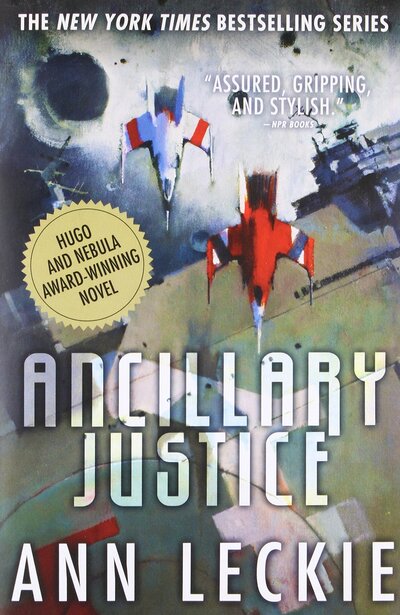 Breq is a human now — but once she was a starship. Once she was an AI with a
vast and ancient metal body and troops of ancillaries, barely animate bodies
that all carried her consciousness. Poll judge Ann Leckie has created a massive
yet intricate interstellar empire where twisty galactic intrigues and multiple
clashing cultures form a brilliant backdrop for the story of a starship
learning to be a human being. Your humble editor got a copy of Ancillary
Justice when it came out and promptly forced her entire family to read it.
Breq is a human now — but once she was a starship. Once she was an AI with a
vast and ancient metal body and troops of ancillaries, barely animate bodies
that all carried her consciousness. Poll judge Ann Leckie has created a massive
yet intricate interstellar empire where twisty galactic intrigues and multiple
clashing cultures form a brilliant backdrop for the story of a starship
learning to be a human being. Your humble editor got a copy of Ancillary
Justice when it came out and promptly forced her entire family to read it.
- [ ] The Dead Djinn Universe (series)
 What a wonderful world P. Djélì Clarke has created here — an Arab world never
colonized, where magic-powered trams glide through a cosmopolitan Cairo and
where djinns make mischief among humans. Clarke’s novella Ring
Shout
also showed up on our semifinalists list, and it was hard to decide between
them, but ultimately our judges felt the Dead Djinn Universe offered more to
explore. But you should still read Ring Shout, a wild ride of a read where
gun-toting demon-hunters go up against Ku Klux Klan members who are actual,
pointy-headed white demons. Go on, go get a copy! We’ll wait.
What a wonderful world P. Djélì Clarke has created here — an Arab world never
colonized, where magic-powered trams glide through a cosmopolitan Cairo and
where djinns make mischief among humans. Clarke’s novella Ring
Shout
also showed up on our semifinalists list, and it was hard to decide between
them, but ultimately our judges felt the Dead Djinn Universe offered more to
explore. But you should still read Ring Shout, a wild ride of a read where
gun-toting demon-hunters go up against Ku Klux Klan members who are actual,
pointy-headed white demons. Go on, go get a copy! We’ll wait.
- [ ] The Age of Madness Trilogy
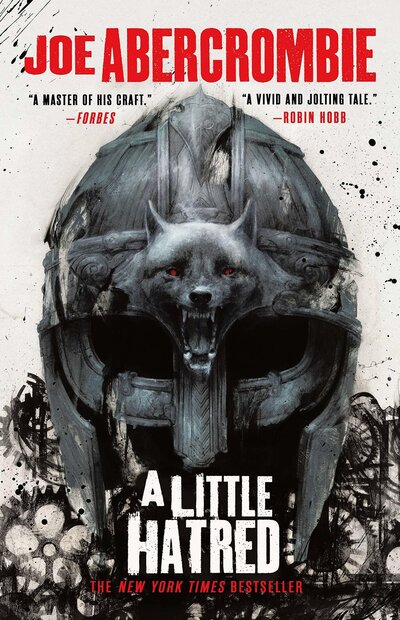 One of my pet peeves with fantasy novels is they sometimes don’t allow for the
progression of time and technology — but in Joe Abercrombie’s Age of Madness
series, the follow-up to his debut First Law trilogy, industrialization has
come to the world of The Union, and it’s brought no good in its wake. More than
that — machines may be rising, but magic will not give way, and all over the
world, those at the bottom of the heap are beginning to get really, really
angry. This series works as a standalone — but you should also read the
excellent First Law series (even though it’s old enough to fall outside the
scope of this list).
One of my pet peeves with fantasy novels is they sometimes don’t allow for the
progression of time and technology — but in Joe Abercrombie’s Age of Madness
series, the follow-up to his debut First Law trilogy, industrialization has
come to the world of The Union, and it’s brought no good in its wake. More than
that — machines may be rising, but magic will not give way, and all over the
world, those at the bottom of the heap are beginning to get really, really
angry. This series works as a standalone — but you should also read the
excellent First Law series (even though it’s old enough to fall outside the
scope of this list).
- [ ] The Green Bone Saga
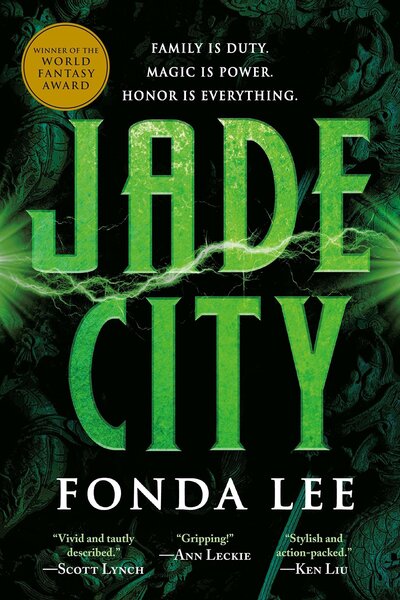 This sprawling saga of family, honor, blood and magical jade will suck you in
from the very first page. Poll judge Fonda Lee’s story works on every
conceivable level, from minute but meaningful character beats to solid,
elegantly conveyed world-building to political intrigue to big, overarching
themes of clan, loyalty and identity. Plus, wow, the jade-powered martial arts
sequences are as fine as anything the Shaw Brothers ever put on screen.
“Reviewing books is my actual job,” says fellow judge Amal El-Mohtar, “but I
still have to fight my husband for the advance copies of Fonda’s books, and
we’re both THIS CLOSE to learning actual martial arts to assist us in our
dueling for dibs.”
This sprawling saga of family, honor, blood and magical jade will suck you in
from the very first page. Poll judge Fonda Lee’s story works on every
conceivable level, from minute but meaningful character beats to solid,
elegantly conveyed world-building to political intrigue to big, overarching
themes of clan, loyalty and identity. Plus, wow, the jade-powered martial arts
sequences are as fine as anything the Shaw Brothers ever put on screen.
“Reviewing books is my actual job,” says fellow judge Amal El-Mohtar, “but I
still have to fight my husband for the advance copies of Fonda’s books, and
we’re both THIS CLOSE to learning actual martial arts to assist us in our
dueling for dibs.”
- [x] The Expanse (series)
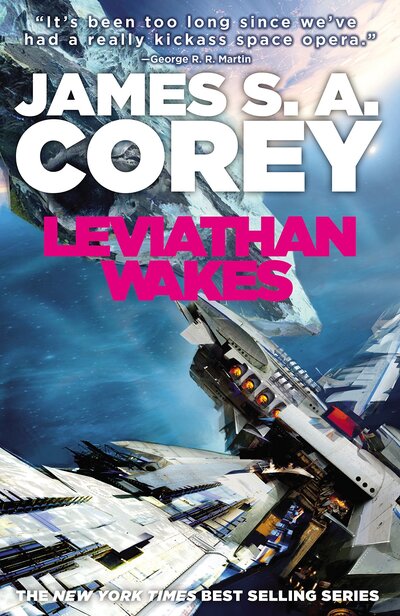 Yes, sure, you’ve seen the TV
show
(you HAVE, right? Right?) about the ragtag crew of spacers caught up in a
three-way power struggle between Earth, Mars and the society that’s developed
on far-off asteroid belts. But there’s much, much more to explore in the books
— other planets, other characters, storylines and concepts that didn’t make it
to the screen. Often, when a book gets adapted for film or TV, there’s a clear
argument about which version is better. With The Expanse, we can confidently
say you should watch and read. The only downside?
Book-Avasarala
doesn’t show up until a few volumes in.
Yes, sure, you’ve seen the TV
show
(you HAVE, right? Right?) about the ragtag crew of spacers caught up in a
three-way power struggle between Earth, Mars and the society that’s developed
on far-off asteroid belts. But there’s much, much more to explore in the books
— other planets, other characters, storylines and concepts that didn’t make it
to the screen. Often, when a book gets adapted for film or TV, there’s a clear
argument about which version is better. With The Expanse, we can confidently
say you should watch and read. The only downside?
Book-Avasarala
doesn’t show up until a few volumes in.
- [ ] The Daevabad Trilogy
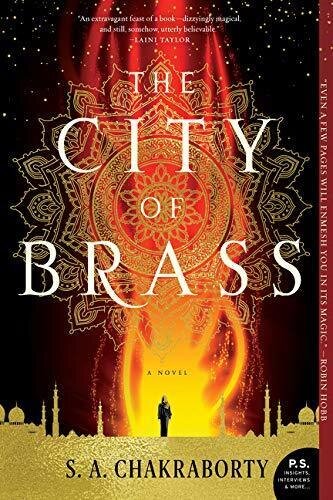 Nahri is a con woman (with a mysteriously real healing talent) scraping a
living in the alleys of 18th century Cairo — until she accidentally summons
some true magic and discovers her fate is bound to a legendary city named
Daevabad, far from human civilization, home of djinns and bloody intrigues.
Author S.A. Chakraborty converted to Islam as a teenager and after college
began writing what she describes as “historical fanfiction” about medieval
Islam; then characters appeared, inspired by people she met at her mosque. “A
sly heroine capable of saving herself, a dashing hero who’d break for the noon
prayer,” she told an
interviewer.
“I wanted to write a story for us, about us, with the grandeur and magic of a
summer blockbuster.”
Nahri is a con woman (with a mysteriously real healing talent) scraping a
living in the alleys of 18th century Cairo — until she accidentally summons
some true magic and discovers her fate is bound to a legendary city named
Daevabad, far from human civilization, home of djinns and bloody intrigues.
Author S.A. Chakraborty converted to Islam as a teenager and after college
began writing what she describes as “historical fanfiction” about medieval
Islam; then characters appeared, inspired by people she met at her mosque. “A
sly heroine capable of saving herself, a dashing hero who’d break for the noon
prayer,” she told an
interviewer.
“I wanted to write a story for us, about us, with the grandeur and magic of a
summer blockbuster.”
- [ ] Teixcalaan (series)
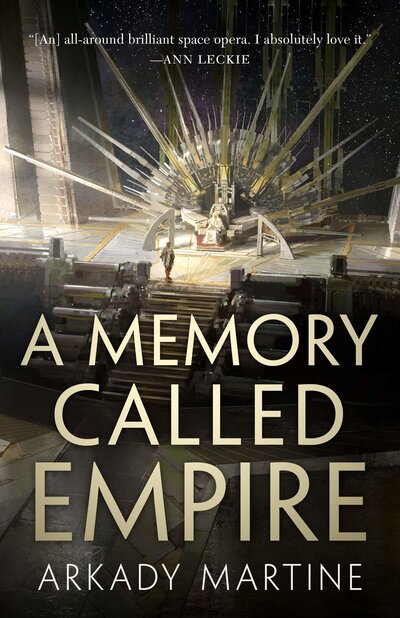 The Aztecs meet the Byzantines in outer space in this intricately imagined
story of diplomatic intrigue and fashionable poetic forms. Mahit Dzmare is an
ambassador from a small space station clinging desperately to its independence
in the face of the massive Teixcalaanli
empire.
But when she arrives in its glittering capital, her predecessor’s dead, and she
soon discovers she’s been sabotaged herself. Luckily, it turns out she’s
incredibly good at her job, even without her guiding neural implant. “I’m a
sucker for elegant worldbuilding that portrays all the finer nuances of society
and culture in addition to the grandness of empire and the complexity of
politics,” says judge Fonda Lee. “Arkady Martine delivers all that in droves.”
The Aztecs meet the Byzantines in outer space in this intricately imagined
story of diplomatic intrigue and fashionable poetic forms. Mahit Dzmare is an
ambassador from a small space station clinging desperately to its independence
in the face of the massive Teixcalaanli
empire.
But when she arrives in its glittering capital, her predecessor’s dead, and she
soon discovers she’s been sabotaged herself. Luckily, it turns out she’s
incredibly good at her job, even without her guiding neural implant. “I’m a
sucker for elegant worldbuilding that portrays all the finer nuances of society
and culture in addition to the grandness of empire and the complexity of
politics,” says judge Fonda Lee. “Arkady Martine delivers all that in droves.”
- [ ] The Thessaly Trilogy
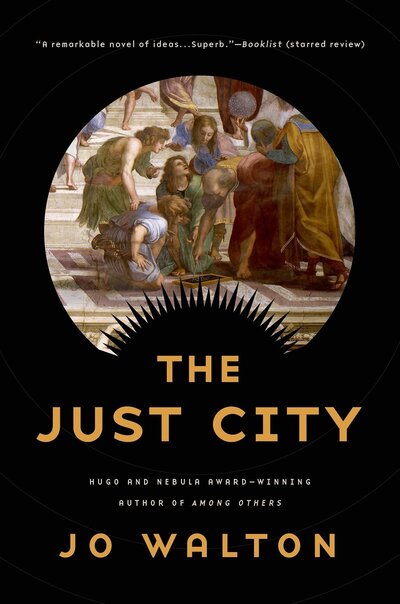 Apollo, spurned by Daphne, is trying to understand free will and consent by
living as a mortal. Athena is trying to create a utopia by plucking men and
women from all across history and dropping them on an island to live according
to Plato’s Republic. Will it all go according to plan? Not likely. “Brilliant,
compelling, and frankly unputdownable,” wrote poll judge Amal
El-Mohtar,
“this will do what your Intro to Philosophy courses probably couldn’t: make you
want to read The Republic.”
Apollo, spurned by Daphne, is trying to understand free will and consent by
living as a mortal. Athena is trying to create a utopia by plucking men and
women from all across history and dropping them on an island to live according
to Plato’s Republic. Will it all go according to plan? Not likely. “Brilliant,
compelling, and frankly unputdownable,” wrote poll judge Amal
El-Mohtar,
“this will do what your Intro to Philosophy courses probably couldn’t: make you
want to read The Republic.”
- [ ] Shades of Magic Trilogy
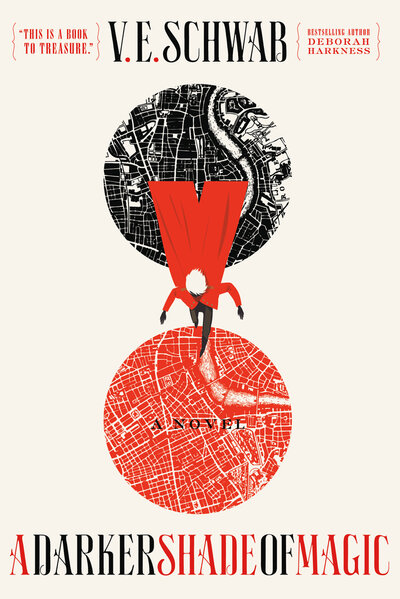 V.E. Schwab has created a world with four Londons lying atop one
another:
our own dull Grey, warm magic-suffused Red, tyrannical White, and dead,
terrifying Black. Once, movement among them was easy, but now only a few have
the ability — including our hero, Kell. So naturally, he’s a smuggler, and the
action kicks off when Grey London thief Lila steals a dangerous artifact from
him, a stone that could upset the balance among the Londons. Rich world
building, complex characters and really scary bad guys make Schwab’s London a
city — or cities — well worth spending time in.
V.E. Schwab has created a world with four Londons lying atop one
another:
our own dull Grey, warm magic-suffused Red, tyrannical White, and dead,
terrifying Black. Once, movement among them was easy, but now only a few have
the ability — including our hero, Kell. So naturally, he’s a smuggler, and the
action kicks off when Grey London thief Lila steals a dangerous artifact from
him, a stone that could upset the balance among the Londons. Rich world
building, complex characters and really scary bad guys make Schwab’s London a
city — or cities — well worth spending time in.
- [ ] The Divine Cities Trilogy
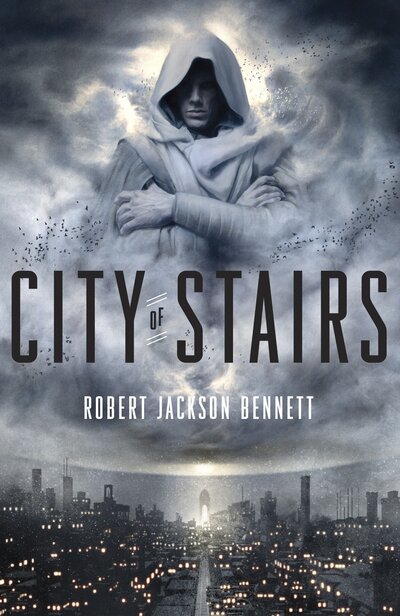 On the Continent, you must not, you cannot, talk about the gods — the gods are
dead. Or are they? Robert Jackson Bennett’s Divine Cities trilogy builds a
fully, gloriously realized world where gods are the source of power, miracles
and oppression, and gods can also be killed. But what happens next, when the
gods are gone and the work of running the world is left to regular human men
and women? What happens in that unsettled moment when divinity gives way to
technology? This series spans a long timeline; the heroes of the first volume
are old by the end. “And as ancient powers clash among gleaming, modern
skyscrapers, those who have survived from the first page to these last have a
heaviness about them,” writes reviewer Jason
Sheehan,
“a sense that they have seen remarkable things, done deeds both heroic and
terrible, and that they can see a far and final horizon in the distance,
quickly approaching.”
On the Continent, you must not, you cannot, talk about the gods — the gods are
dead. Or are they? Robert Jackson Bennett’s Divine Cities trilogy builds a
fully, gloriously realized world where gods are the source of power, miracles
and oppression, and gods can also be killed. But what happens next, when the
gods are gone and the work of running the world is left to regular human men
and women? What happens in that unsettled moment when divinity gives way to
technology? This series spans a long timeline; the heroes of the first volume
are old by the end. “And as ancient powers clash among gleaming, modern
skyscrapers, those who have survived from the first page to these last have a
heaviness about them,” writes reviewer Jason
Sheehan,
“a sense that they have seen remarkable things, done deeds both heroic and
terrible, and that they can see a far and final horizon in the distance,
quickly approaching.”
- [ ] The Wormwood Trilogy
 Part of a recent wave of work celebrating and centering Nigerian culture, this
trilogy is set in a future where a fungal alien invader has swallowed big
global cities, America has shut itself away and gone dark, and a new city,
Rosewater, has grown up around a mysterious alien dome in rural Nigeria. It’s a
wild mashup of alien invasion, cyberpunk, Afro-futurism and even a touch of
zombie horror. “I started reading Rosewater on vacation and quickly set it
down until I got home, because Tade Thompson’s work is no light beach read,”
says judge Fonda Lee. “His writing demands your full attention — and amply
rewards it.”
Part of a recent wave of work celebrating and centering Nigerian culture, this
trilogy is set in a future where a fungal alien invader has swallowed big
global cities, America has shut itself away and gone dark, and a new city,
Rosewater, has grown up around a mysterious alien dome in rural Nigeria. It’s a
wild mashup of alien invasion, cyberpunk, Afro-futurism and even a touch of
zombie horror. “I started reading Rosewater on vacation and quickly set it
down until I got home, because Tade Thompson’s work is no light beach read,”
says judge Fonda Lee. “His writing demands your full attention — and amply
rewards it.”
- [ ] Black Sun (series)
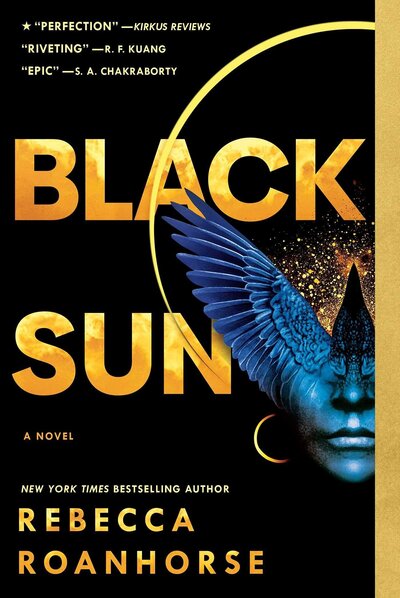 Author Rebecca Roanhorse was tired of reading epic fantasy with quasi-European
settings, so she decided to write her
own.
The result is Black Sun, set in a world influenced by pre-Columbian mythology
and rich with storms, intrigue, giant bugs, mysterious sea people, ritual, myth
and some very scary crows. (They hold grudges, did you know?) This is only Book
1 of a forthcoming series, but we felt it was so strong it deserved to be here,
no matter where Roanhorse goes next.
Author Rebecca Roanhorse was tired of reading epic fantasy with quasi-European
settings, so she decided to write her
own.
The result is Black Sun, set in a world influenced by pre-Columbian mythology
and rich with storms, intrigue, giant bugs, mysterious sea people, ritual, myth
and some very scary crows. (They hold grudges, did you know?) This is only Book
1 of a forthcoming series, but we felt it was so strong it deserved to be here,
no matter where Roanhorse goes next.
- [ ] Piranesi
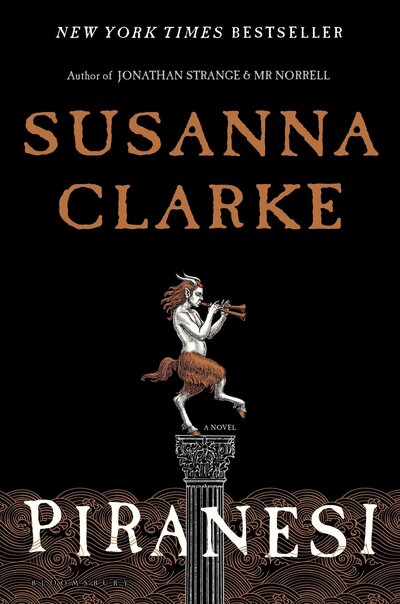 Susanna Clarke at last returns to our shelves with this mind-bendingly glorious
story — that’s a bit hard to describe without spoiling. So we’ll say it’s about
a mysterious man and the House that he dearly loves, a marvelous place full of
changing light and surging tides, statues and corridors and crossings, birds
and old bones and passing days and one persistent visitor who brings strangely
familiar gifts. Clarke “limns a magic far more intrinsic than the kind
commanded through spells,” wrote reviewer Vikki
Valentine,
“a magic that is seemingly part of the fabric of the universe and as powerful
as a cosmic engine — yet fragile nonetheless.”
Susanna Clarke at last returns to our shelves with this mind-bendingly glorious
story — that’s a bit hard to describe without spoiling. So we’ll say it’s about
a mysterious man and the House that he dearly loves, a marvelous place full of
changing light and surging tides, statues and corridors and crossings, birds
and old bones and passing days and one persistent visitor who brings strangely
familiar gifts. Clarke “limns a magic far more intrinsic than the kind
commanded through spells,” wrote reviewer Vikki
Valentine,
“a magic that is seemingly part of the fabric of the universe and as powerful
as a cosmic engine — yet fragile nonetheless.”
- [ ] Circe
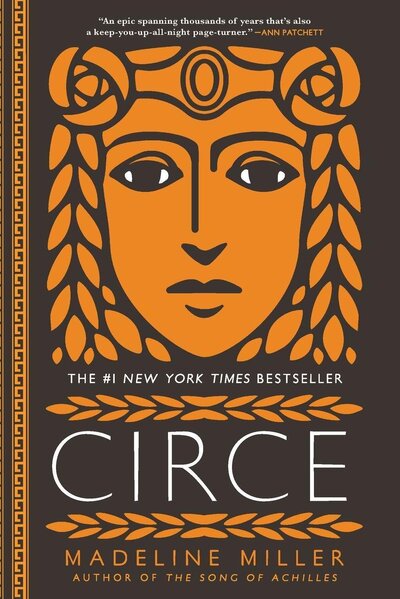 Little, Brown and Company Imagine Circe, the fearsome witch of the Odyssey, as
an awkward teenager, growing up lonely among scornful gods and falling for what
we modern folks would call a f***boy, before coming into her own, using her
exile on the island of Aiaia to hone her powers and build an independent life.
Circe only shows up briefly in the Odyssey, but Madeline Miller gives her a
lush, complex life in these pages. She has worked as a classics teacher, and
as our reviewer Annalisa Quinn
noted,
Miller “extracts worlds of meaning from Homer’s short phrases.”
Little, Brown and Company Imagine Circe, the fearsome witch of the Odyssey, as
an awkward teenager, growing up lonely among scornful gods and falling for what
we modern folks would call a f***boy, before coming into her own, using her
exile on the island of Aiaia to hone her powers and build an independent life.
Circe only shows up briefly in the Odyssey, but Madeline Miller gives her a
lush, complex life in these pages. She has worked as a classics teacher, and
as our reviewer Annalisa Quinn
noted,
Miller “extracts worlds of meaning from Homer’s short phrases.”
- [ ] Mexican Gothic
 A sharp young socialite in 1950s Mexico City travels to a creepy rural mansion
to check on her cousin, who has fallen ill after marrying into a mysterious
family of English landowners. What could possibly go wrong? Silvia
Moreno-Garcia “makes you uneasy about invisible things by writing around them,”
said reviewer Jessica
P.Wick.
“Even when you think you know what lurks, the power to unsettle isn’t
diminished.” Not to be too spoilery — but after reading this stylishly chilling
novel, you’ll never look at mushrooms the same way again.
A sharp young socialite in 1950s Mexico City travels to a creepy rural mansion
to check on her cousin, who has fallen ill after marrying into a mysterious
family of English landowners. What could possibly go wrong? Silvia
Moreno-Garcia “makes you uneasy about invisible things by writing around them,”
said reviewer Jessica
P.Wick.
“Even when you think you know what lurks, the power to unsettle isn’t
diminished.” Not to be too spoilery — but after reading this stylishly chilling
novel, you’ll never look at mushrooms the same way again.
- [ ] The Paper Menagerie And Other Stories
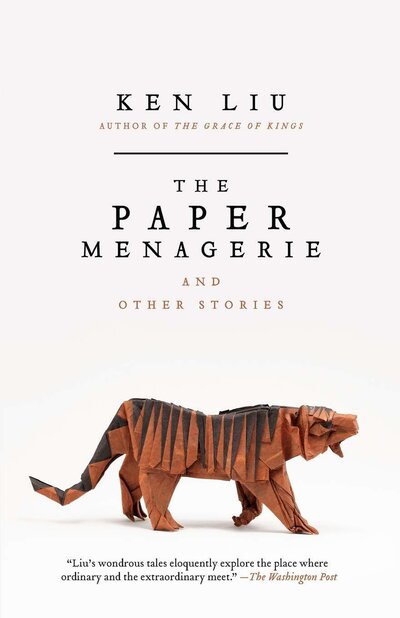 “I taught Liu’s ‘The Man Who Ended History’ in a graduate seminar one
semester,” says judge Tochi Onyebuchi, “and one of the toughest tasks I’ve ever
faced in adulthood was crafting a lesson plan that went beyond me just going
‘wtf wtf wtf wtf wtf’ for the whole two hours. Some story collections are like
those albums where the artist or record label just threw a bunch of songs
together and said ‘here,’ and some collections arrive as a complete, cohesive,
emotionally catholic whole. The Paper Menagerie is that.”
“I taught Liu’s ‘The Man Who Ended History’ in a graduate seminar one
semester,” says judge Tochi Onyebuchi, “and one of the toughest tasks I’ve ever
faced in adulthood was crafting a lesson plan that went beyond me just going
‘wtf wtf wtf wtf wtf’ for the whole two hours. Some story collections are like
those albums where the artist or record label just threw a bunch of songs
together and said ‘here,’ and some collections arrive as a complete, cohesive,
emotionally catholic whole. The Paper Menagerie is that.”
- [ ] Spinning Silver
 Judges had a hard time deciding between Spinning Silver and
Uprooted,
Novik’s previous fairy tale retelling. Ultimately, we decided that this
reclamation of “Rumpelstiltskin” has a chewier, more interesting project, with
much to say about money, labor, debt and friendship, explored in unflinching
yet tender ways. Judge Amal El-Mohtar reviewed Spinning Silver for NPR when
it came out in 2018. “There are so many mathemagicians in this book, be they
moneylenders turning silver into gold or knitters working to a pattern,” she
wrote at the
time.
“It’s gold and silver all the way down.”
Judges had a hard time deciding between Spinning Silver and
Uprooted,
Novik’s previous fairy tale retelling. Ultimately, we decided that this
reclamation of “Rumpelstiltskin” has a chewier, more interesting project, with
much to say about money, labor, debt and friendship, explored in unflinching
yet tender ways. Judge Amal El-Mohtar reviewed Spinning Silver for NPR when
it came out in 2018. “There are so many mathemagicians in this book, be they
moneylenders turning silver into gold or knitters working to a pattern,” she
wrote at the
time.
“It’s gold and silver all the way down.”
- [ ] Exhalation: Stories
 “I often get the same feeling reading a Ted Chiang story as I did listening to
a Prince song while he was still with us,” says judge Tochi Onyebuchi. “What a
glorious privilege it is that we get to share a universe with this genius!”
This poll can be a discovery tool for editors and judges as much as audience,
so hearing that, your humble editor went straight to the library and downloaded
a copy of this collection.
“I often get the same feeling reading a Ted Chiang story as I did listening to
a Prince song while he was still with us,” says judge Tochi Onyebuchi. “What a
glorious privilege it is that we get to share a universe with this genius!”
This poll can be a discovery tool for editors and judges as much as audience,
so hearing that, your humble editor went straight to the library and downloaded
a copy of this collection.
- [ ] Olondria (series)
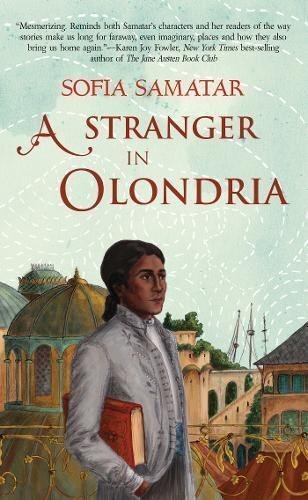 In Olondria, you can smell the ocean wind coming off the page, soldiers ride
birds, angels haunt humans, and written dreams are terribly dangerous. “Have
you ever seen something so beautiful that you’d be content to just sit and
watch the light around it change for a whole day because every passing moment
reveals even more unbearable loveliness and transforms you in ways you can’t
articulate?” asks judge Amal El-Mohtar. “You will if you read these books.”
In Olondria, you can smell the ocean wind coming off the page, soldiers ride
birds, angels haunt humans, and written dreams are terribly dangerous. “Have
you ever seen something so beautiful that you’d be content to just sit and
watch the light around it change for a whole day because every passing moment
reveals even more unbearable loveliness and transforms you in ways you can’t
articulate?” asks judge Amal El-Mohtar. “You will if you read these books.”
- [ ] Her Body And Other Parties: Stories
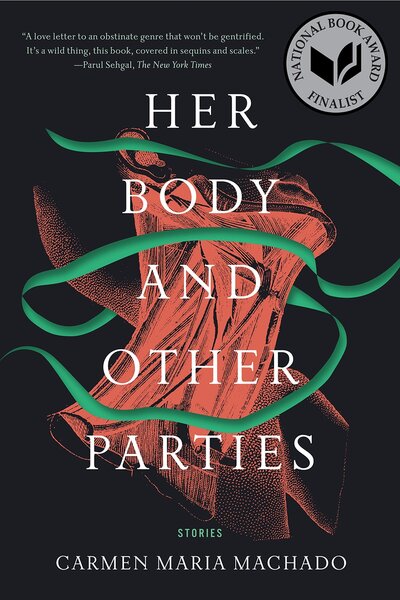 These eight stories dance across the borders of fairy tale, horror, erotica and
urban legend, spinning the familiar, lived experiences of women into something
rich and strange. As the title suggests, Machado focuses on the unruly female
body and all of its pleasures and risks (there’s one story that’s just
increasingly bizarre rewrites of Law & Order: SVU episodes). At one point, a
character implies that kind of writing is “tiresome and regressive,” too much
about stereotypical crazy lesbians and madwomen in the attic. But as our
critic Annalisa Quinn
wrote,
“Machado seems to answer: The world makes madwomen, and the least you can do is
make sure the attic is your own.”
These eight stories dance across the borders of fairy tale, horror, erotica and
urban legend, spinning the familiar, lived experiences of women into something
rich and strange. As the title suggests, Machado focuses on the unruly female
body and all of its pleasures and risks (there’s one story that’s just
increasingly bizarre rewrites of Law & Order: SVU episodes). At one point, a
character implies that kind of writing is “tiresome and regressive,” too much
about stereotypical crazy lesbians and madwomen in the attic. But as our
critic Annalisa Quinn
wrote,
“Machado seems to answer: The world makes madwomen, and the least you can do is
make sure the attic is your own.”
- [ ] The Buried Giant
 Axl and Beatrice are an elderly couple, living in a fictional Britain just
after Arthur’s time, where everyone suffers from what they call “mist,” a kind
of amnesia that hits long-term memories. They believe, they vaguely remember
that they once had a son, so they set out to find him — encountering an elderly
Sir Gawain along the way, and long-forgotten connections to Arthur’s court and
the dark deeds the mist is hiding. Poll judge Ann Leckie loves Arthurian
legends. What she does not love are authors who don’t do them justice — but
with The Buried Giant, she says, Kazuo
Ishiguro
gets it solidly right.
Axl and Beatrice are an elderly couple, living in a fictional Britain just
after Arthur’s time, where everyone suffers from what they call “mist,” a kind
of amnesia that hits long-term memories. They believe, they vaguely remember
that they once had a son, so they set out to find him — encountering an elderly
Sir Gawain along the way, and long-forgotten connections to Arthur’s court and
the dark deeds the mist is hiding. Poll judge Ann Leckie loves Arthurian
legends. What she does not love are authors who don’t do them justice — but
with The Buried Giant, she says, Kazuo
Ishiguro
gets it solidly right.
- [ ] Radiance
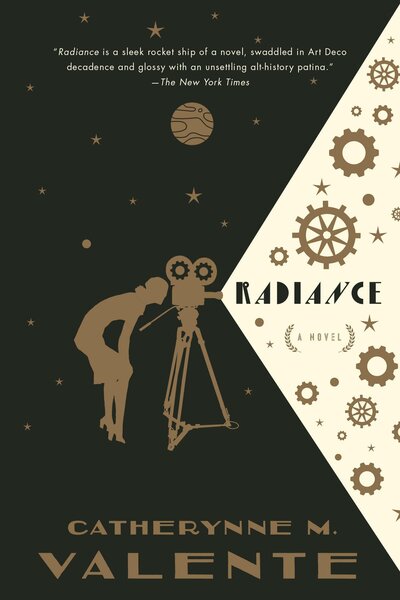 Do you love space opera? Alternate history? Silent film? (OK, are you me?) Then
you should pick up Catherynne M. Valente’s Radiance, which mashes up all
three in a gloriously surreal saga about spacefaring filmmakers in an alternate
version of 1986, in which you might be able to go to Jupiter, but Thomas
Edison’s death grip on his patents means talkies are still a novelty. Yes,
Space Opera did get more votes, but our judges genuinely felt that Radiance
was the stronger book. Reviewing it in 2015, judge Amal El-Mohtar
wrote,
“Radiance is the sort of novel about which you have to speak for hours or
hardly speak at all: either stop at ‘it’s magnificent’ or roll on to talk about
form, voice, ambition, originality, innovation for more thousands of words than
are available to me here before even touching on the plot.”
Do you love space opera? Alternate history? Silent film? (OK, are you me?) Then
you should pick up Catherynne M. Valente’s Radiance, which mashes up all
three in a gloriously surreal saga about spacefaring filmmakers in an alternate
version of 1986, in which you might be able to go to Jupiter, but Thomas
Edison’s death grip on his patents means talkies are still a novelty. Yes,
Space Opera did get more votes, but our judges genuinely felt that Radiance
was the stronger book. Reviewing it in 2015, judge Amal El-Mohtar
wrote,
“Radiance is the sort of novel about which you have to speak for hours or
hardly speak at all: either stop at ‘it’s magnificent’ or roll on to talk about
form, voice, ambition, originality, innovation for more thousands of words than
are available to me here before even touching on the plot.”
- [ ] The Changeling
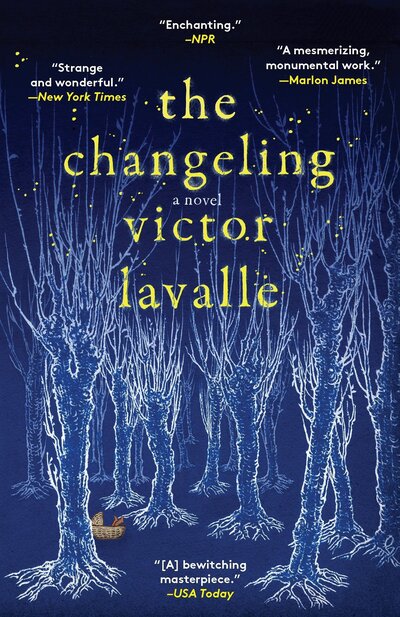 It’s easy(ish) to summarize The Changeling: Rare book dealer Apollo Kagwa has
a baby son with his wife, Emma, but she’s been acting strange — and when she
vanishes after doing something unspeakable, he sets out to find her. But his
journey loops through a New York you’ve never seen before: mysterious islands
and haunted forests, strange characters and shifting rhythms. The Changeling
is a modern urban fairy tale with one toe over the line into horror, and
wherever it goes, it will draw you along with it.
It’s easy(ish) to summarize The Changeling: Rare book dealer Apollo Kagwa has
a baby son with his wife, Emma, but she’s been acting strange — and when she
vanishes after doing something unspeakable, he sets out to find her. But his
journey loops through a New York you’ve never seen before: mysterious islands
and haunted forests, strange characters and shifting rhythms. The Changeling
is a modern urban fairy tale with one toe over the line into horror, and
wherever it goes, it will draw you along with it.
- [ ] Wayfarers (series)
 Becky Chambers writes aliens like no one else — in fact, humans are the
backward newcomers in her generous, peaceful galactic vision. The Wayfarers
books are only loosely linked: They all take place in the same universe, but
apart from that you’ll meet a new set of characters, a new culture and a new
world (or an old world transformed). Cranky space pacifists, questing AIs,
fugitives, gravediggers and fluffy, multi-limbed aliens who love pudding — the
only flaw in this series is you’ll wish you could spend more time with all of
them.
Becky Chambers writes aliens like no one else — in fact, humans are the
backward newcomers in her generous, peaceful galactic vision. The Wayfarers
books are only loosely linked: They all take place in the same universe, but
apart from that you’ll meet a new set of characters, a new culture and a new
world (or an old world transformed). Cranky space pacifists, questing AIs,
fugitives, gravediggers and fluffy, multi-limbed aliens who love pudding — the
only flaw in this series is you’ll wish you could spend more time with all of
them.
- [ ] Binti (series)
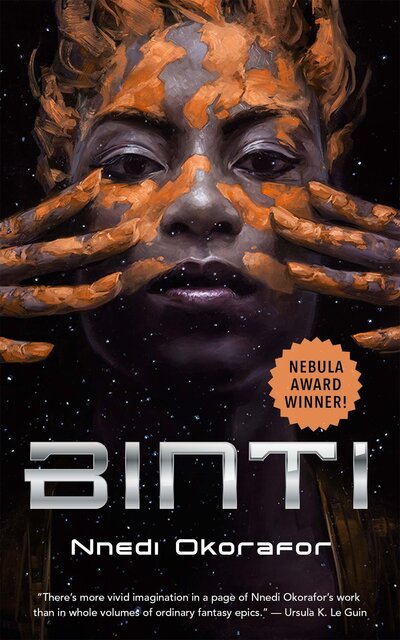 Binti is the first of her people, the Himba, to be offered a place at the
legendary Oomza University, finest institution of learning in the galaxy — and
as if leaving Earth to live among the stars weren’t enough, Binti finds herself
caught between warring human and alien factions. Over and over again throughout
these novellas, Binti makes peace, bridges cultures, brings home with her even
as she leaves and returns, changed by her experiences. Our judges agreed that
the first two Binti stories are the strongest — but even if the third
stumbles, as judge and critic Amal El-Mohtar wrote, “Perhaps the point is just
having a Black girl with tentacles for hair possessing the power and freedom to
float among Saturn’s rings.”
Binti is the first of her people, the Himba, to be offered a place at the
legendary Oomza University, finest institution of learning in the galaxy — and
as if leaving Earth to live among the stars weren’t enough, Binti finds herself
caught between warring human and alien factions. Over and over again throughout
these novellas, Binti makes peace, bridges cultures, brings home with her even
as she leaves and returns, changed by her experiences. Our judges agreed that
the first two Binti stories are the strongest — but even if the third
stumbles, as judge and critic Amal El-Mohtar wrote, “Perhaps the point is just
having a Black girl with tentacles for hair possessing the power and freedom to
float among Saturn’s rings.”
- [ ] Lady Astronaut (series)
 What would America’s space program have looked like if, say, a gigantic
asteroid had wiped out the East Coast in 1952 — and started a countdown to
destruction for the rest of the world? We’d have had to get into space much
sooner. And all the female pilots who served in World War II and were
unceremoniously dumped back at home might have had another chance to fly. Mary
Robinette Kowal’s Hugo Award-winning series plays that out with Elma York, a
former WASP pilot and future Lady Astronaut whose skill and determination help
all of humanity escape the bonds of Earth. Adds judge Amal El-Mohtar:
“Audiobook readers are in for a special treat here in that Kowal narrates the
books herself, and if you’ve never had the pleasure of attending one of her
readings, you get to experience her wonderful performance with bonus production
values. It’s especially cool given that the seed for the series was an
audio-first short story.”
What would America’s space program have looked like if, say, a gigantic
asteroid had wiped out the East Coast in 1952 — and started a countdown to
destruction for the rest of the world? We’d have had to get into space much
sooner. And all the female pilots who served in World War II and were
unceremoniously dumped back at home might have had another chance to fly. Mary
Robinette Kowal’s Hugo Award-winning series plays that out with Elma York, a
former WASP pilot and future Lady Astronaut whose skill and determination help
all of humanity escape the bonds of Earth. Adds judge Amal El-Mohtar:
“Audiobook readers are in for a special treat here in that Kowal narrates the
books herself, and if you’ve never had the pleasure of attending one of her
readings, you get to experience her wonderful performance with bonus production
values. It’s especially cool given that the seed for the series was an
audio-first short story.”
- [ ] Children of Time (duology)
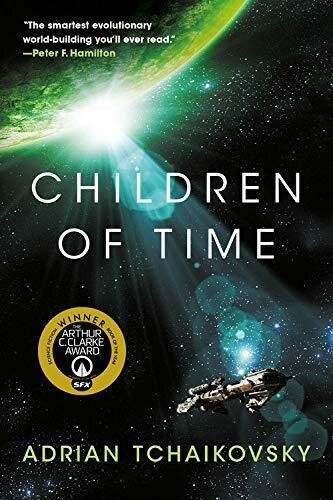 Far in the future, the dregs of humanity escape a ruined Earth and find what
they think is a new hope deep in space — a planet that past spacefarers
terraformed and left for them. But the evolutionary virus that was supposed to
jump-start a cargo of monkeys, creating ready-made workers, instead latched on
to … something else, and in the intervening years, something terrible has
arisen there. Poll judge Ann Leckie says she can’t stand spiders (BIG SAME),
but even so, she was adamant that the Children of Time books deserve their spot
here.
Far in the future, the dregs of humanity escape a ruined Earth and find what
they think is a new hope deep in space — a planet that past spacefarers
terraformed and left for them. But the evolutionary virus that was supposed to
jump-start a cargo of monkeys, creating ready-made workers, instead latched on
to … something else, and in the intervening years, something terrible has
arisen there. Poll judge Ann Leckie says she can’t stand spiders (BIG SAME),
but even so, she was adamant that the Children of Time books deserve their spot
here.
- [ ] Wayward Children (series)
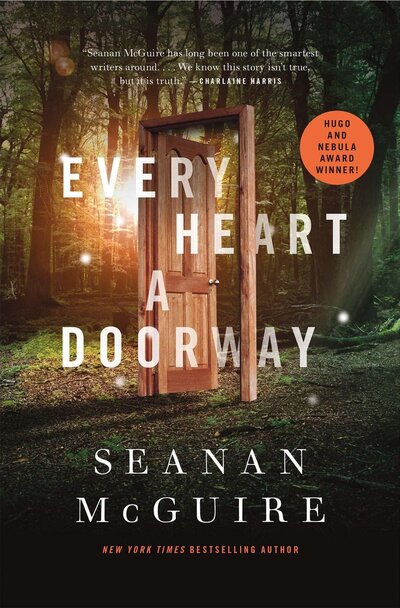 Everyone loves a good portal fantasy. Who hasn’t looked in the back of the
closet hoping, faintly, to see snow and a street lamp? In the Wayward Children
series, Seanan McGuire reminds us that portals go both ways: What happens to
those children who get booted back through the door into the real world,
starry-eyed and scarred? Well, a lot of them end up at Eleanor West’s School
for Wayward Children. The prolific McGuire turned up on our semifinalists list
A Lot. We had a hard time deciding between this and her killer stand-alone
Middlegame, but the Wayward Children won the day with their shimmering mix of
fairy tale, fantasy and emotional heft — not to mention body positivity and
solid queer and trans representation. (As with a lot of the also-rans, though,
you should really read Middlegame too.)
Everyone loves a good portal fantasy. Who hasn’t looked in the back of the
closet hoping, faintly, to see snow and a street lamp? In the Wayward Children
series, Seanan McGuire reminds us that portals go both ways: What happens to
those children who get booted back through the door into the real world,
starry-eyed and scarred? Well, a lot of them end up at Eleanor West’s School
for Wayward Children. The prolific McGuire turned up on our semifinalists list
A Lot. We had a hard time deciding between this and her killer stand-alone
Middlegame, but the Wayward Children won the day with their shimmering mix of
fairy tale, fantasy and emotional heft — not to mention body positivity and
solid queer and trans representation. (As with a lot of the also-rans, though,
you should really read Middlegame too.)
- [ ] The Space Between Worlds
 There are 382 parallel worlds in Micaiah Johnson’s debut novel, and humanity
can finally travel between them — but there’s a deadly catch. You can visit
only a world where the parallel version of you is already dead. And that makes
Cara — whose marginal wastelands existence means only a few versions of her are
left — valuable to the high and mighty of her own Earth. “They needed trash
people,” Cara says, to gather information from other worlds. But her existence,
already precarious, is threatened when a powerful scientist figures out how to
grab that information remotely. “At a time when I was really struggling with
the cognitive demands of reading anything for work or pleasure, this book
flooded me with oxygen and lit me on fire,” says judge Amal El-Mohtar. “I can’t
say for certain that it enabled me to read again, but in its wake, I could.”
There are 382 parallel worlds in Micaiah Johnson’s debut novel, and humanity
can finally travel between them — but there’s a deadly catch. You can visit
only a world where the parallel version of you is already dead. And that makes
Cara — whose marginal wastelands existence means only a few versions of her are
left — valuable to the high and mighty of her own Earth. “They needed trash
people,” Cara says, to gather information from other worlds. But her existence,
already precarious, is threatened when a powerful scientist figures out how to
grab that information remotely. “At a time when I was really struggling with
the cognitive demands of reading anything for work or pleasure, this book
flooded me with oxygen and lit me on fire,” says judge Amal El-Mohtar. “I can’t
say for certain that it enabled me to read again, but in its wake, I could.”
- [ ] Black Leopard, Red Wolf
 Poll judge Amal El-Mohtar once described Black Leopard, Red Wolf as “like
being slowly eaten by a
bear.”
Fellow judge Tochi Onyebuchi chimes in: “Black Leopard, Red Wolf is a
Slipknot album of a book. In all the best ways.” Set in a dazzling, dangerous
fantasy Africa, it is — at least on the surface — about a man named Tracker, in
prison when we meet him and telling his life story to an inquisitor. Beyond
that, it’s fairly indescribable, full of roof-crawling demons, dust-cloud
assassins, blood and (fair warning) sexual violence. A gnarly book, a difficult
book, sometimes actively hostile to the reader — yet necessary, and stunning.
Poll judge Amal El-Mohtar once described Black Leopard, Red Wolf as “like
being slowly eaten by a
bear.”
Fellow judge Tochi Onyebuchi chimes in: “Black Leopard, Red Wolf is a
Slipknot album of a book. In all the best ways.” Set in a dazzling, dangerous
fantasy Africa, it is — at least on the surface — about a man named Tracker, in
prison when we meet him and telling his life story to an inquisitor. Beyond
that, it’s fairly indescribable, full of roof-crawling demons, dust-cloud
assassins, blood and (fair warning) sexual violence. A gnarly book, a difficult
book, sometimes actively hostile to the reader — yet necessary, and stunning.
- [ ] Southern Reach (series)
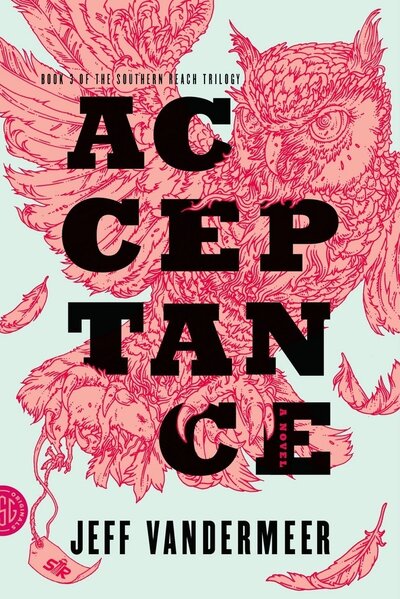 The Southern Reach books are, at least on the surface, a simple tale of a
world gone wrong, of a mysterious “Area X” and the expeditions that have
suffered and died trying to map it — and the strange government agency that
keeps sending them in. But there’s a lot seething under that surface: monsters,
hauntings, a slowly building sense of wrong and terror that will twist your
brain around sideways. “If the guys who wrote Lost had brought H.P. Lovecraft
into the room as a script doctor in the first season,” our critic Jason
Sheehan
wrote,
“the Southern Reach trilogy is what they would’ve come up with.”
The Southern Reach books are, at least on the surface, a simple tale of a
world gone wrong, of a mysterious “Area X” and the expeditions that have
suffered and died trying to map it — and the strange government agency that
keeps sending them in. But there’s a lot seething under that surface: monsters,
hauntings, a slowly building sense of wrong and terror that will twist your
brain around sideways. “If the guys who wrote Lost had brought H.P. Lovecraft
into the room as a script doctor in the first season,” our critic Jason
Sheehan
wrote,
“the Southern Reach trilogy is what they would’ve come up with.”
- [ ] The Echo Wife
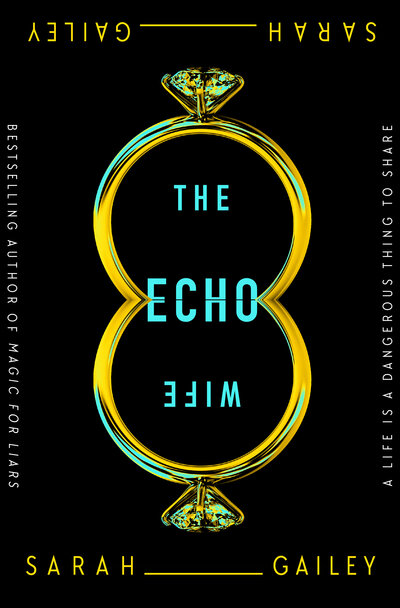 Part sci-fi cautionary tale, part murder mystery, The Echo Wife is a twisty
treat.
At its center are a famed genetic researcher and her duplicitous husband, who
uses her breakthrough technology to clone himself a sweeter, more compliant
version of his wife before ending up dead. “As expertly constructed as a Patek
Philippe watch,” says poll judge Tochi Onyebuchi. “Seamlessly blends domestic
thriller and science fiction,” adds fellow judge Fonda Lee. “This book is going
to haunt my thoughts for a long time.”
Part sci-fi cautionary tale, part murder mystery, The Echo Wife is a twisty
treat.
At its center are a famed genetic researcher and her duplicitous husband, who
uses her breakthrough technology to clone himself a sweeter, more compliant
version of his wife before ending up dead. “As expertly constructed as a Patek
Philippe watch,” says poll judge Tochi Onyebuchi. “Seamlessly blends domestic
thriller and science fiction,” adds fellow judge Fonda Lee. “This book is going
to haunt my thoughts for a long time.”
- [ ] The Locked Tomb (series)
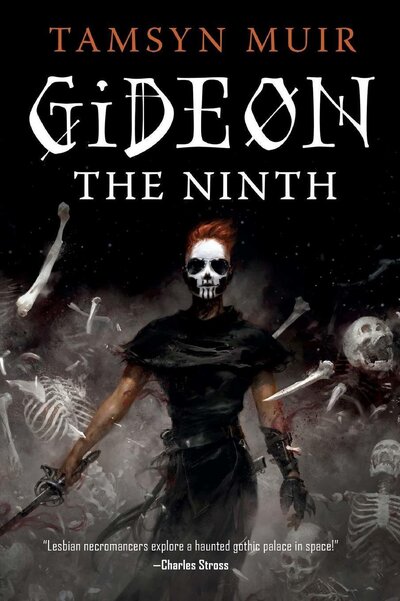 This series is often described as “lesbian necromancers in space,” but trust
us, it’s so much more than that. Wildly inventive, gruesome, emotional,
twisty and funny as hell, the Locked Tomb books are like nothing you’ve ever
read before. And we defy you to read them and not give serious consideration to
corpse paint and mirror shades as a workable fashion statement. There are only
two books out now, of a planned four-book series, but Gideon the Ninth alone
is enough to earn Tamsyn Muir a place on this list: “Too funny to be horror,
too gooey to be science fiction, has too many spaceships and autodoors to be
fantasy, and has far more bloody dismemberings than your average parlor
romance,” says critic Jason
Sheehan.
“It is altogether its own thing.”
This series is often described as “lesbian necromancers in space,” but trust
us, it’s so much more than that. Wildly inventive, gruesome, emotional,
twisty and funny as hell, the Locked Tomb books are like nothing you’ve ever
read before. And we defy you to read them and not give serious consideration to
corpse paint and mirror shades as a workable fashion statement. There are only
two books out now, of a planned four-book series, but Gideon the Ninth alone
is enough to earn Tamsyn Muir a place on this list: “Too funny to be horror,
too gooey to be science fiction, has too many spaceships and autodoors to be
fantasy, and has far more bloody dismemberings than your average parlor
romance,” says critic Jason
Sheehan.
“It is altogether its own thing.”
- [ ] Remembrance of Earth’s Past (series)
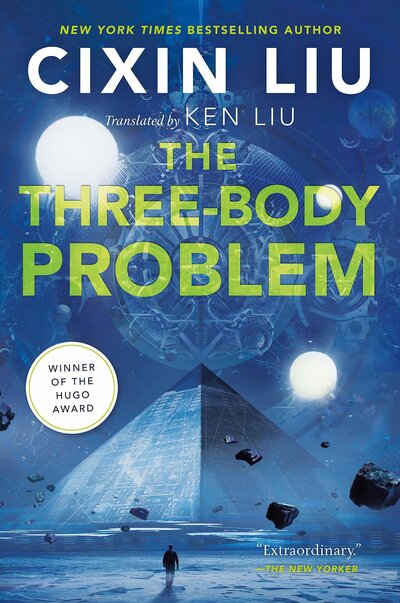 Liu Cixin became the first Asian author to win a Hugo Award, for The
Three-Body
Problem,
the first volume in this series about one of the oldest questions in science
fiction: What will happen when we meet aliens? Liu is writing the hardest of
hard sci-fi here, full of brain-twisting passages about quantum mechanics and
artificial intelligence (if you didn’t actually know what the three-body
problem was, you will now), grafted onto the backbone of a high-stakes
political thriller. Poll judge Tochi Onyebuchi says, “These books divided me by
zero. And, yes, that is a compliment.”
Liu Cixin became the first Asian author to win a Hugo Award, for The
Three-Body
Problem,
the first volume in this series about one of the oldest questions in science
fiction: What will happen when we meet aliens? Liu is writing the hardest of
hard sci-fi here, full of brain-twisting passages about quantum mechanics and
artificial intelligence (if you didn’t actually know what the three-body
problem was, you will now), grafted onto the backbone of a high-stakes
political thriller. Poll judge Tochi Onyebuchi says, “These books divided me by
zero. And, yes, that is a compliment.”
- [ ] Machineries of Empire (series)
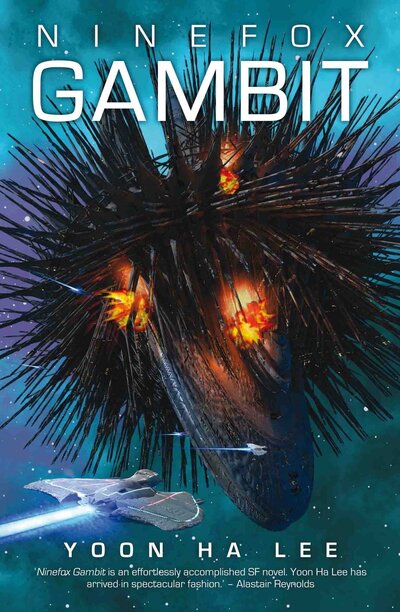 In the Hexarchate, numbers are power: This interstellar empire draws its
strength from rigidly enforced adherence to the imperial calendar, a system of
numbers that can alter reality. But now, a “calendrical rot” is eating away at
that structure, and it’s up to a mathematically talented young soldier — and
the ghost of an infamous traitor — to try to repair the rot while a war blazes
across the stars around them. “Ninefox Gambit is a book with math in its
heart, but also one which understands that even numbers can lie,” our critic
Jason Sheehan
wrote.
“That it’s what you see in the numbers that matters most.”
In the Hexarchate, numbers are power: This interstellar empire draws its
strength from rigidly enforced adherence to the imperial calendar, a system of
numbers that can alter reality. But now, a “calendrical rot” is eating away at
that structure, and it’s up to a mathematically talented young soldier — and
the ghost of an infamous traitor — to try to repair the rot while a war blazes
across the stars around them. “Ninefox Gambit is a book with math in its
heart, but also one which understands that even numbers can lie,” our critic
Jason Sheehan
wrote.
“That it’s what you see in the numbers that matters most.”
- [ ] The Broken Earth (series)
 In the world of the Stillness, geological convulsions cause upheavals that can
last for centuries — and only the orogenes, despised yet essential to the
status quo — can control them. N.K.
Jemisin
deservedly won three back-to-back Hugo awards for these books, which use
magnificent world building and lapidary prose to smack you in the face about
your own complicity in systems of oppression. “Jemisin is the first — and so
far only — person ever to have won a Hugo Award for Best Novel for every single
book in a series. These books upheaved the terrain of epic fantasy as surely
and completely as Fifth Seasons transform the geography of the Stillness,” says
poll judge Amal El-Mohtar.
In the world of the Stillness, geological convulsions cause upheavals that can
last for centuries — and only the orogenes, despised yet essential to the
status quo — can control them. N.K.
Jemisin
deservedly won three back-to-back Hugo awards for these books, which use
magnificent world building and lapidary prose to smack you in the face about
your own complicity in systems of oppression. “Jemisin is the first — and so
far only — person ever to have won a Hugo Award for Best Novel for every single
book in a series. These books upheaved the terrain of epic fantasy as surely
and completely as Fifth Seasons transform the geography of the Stillness,” says
poll judge Amal El-Mohtar.
- [ ] Station Eleven
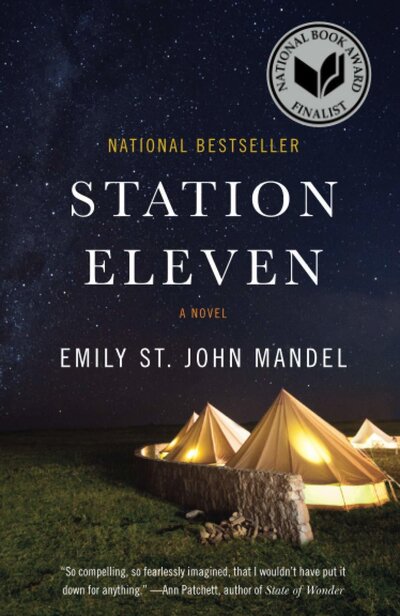 Author Emily St. John Mandel went on Twitter in 2020 and advised people not
to read Station
Eleven, not in
the midst of the pandemic. But we beg to disagree. A story in which art (and
particularly Shakespeare) helps humanity come back to itself after a pandemic
wipes out the world as we know it might be just the thing we need. “Survival is
insufficient,” say Mandel’s traveling players (a line she says she lifted from
Star
Trek),
and that’s a solid motto any time.
Author Emily St. John Mandel went on Twitter in 2020 and advised people not
to read Station
Eleven, not in
the midst of the pandemic. But we beg to disagree. A story in which art (and
particularly Shakespeare) helps humanity come back to itself after a pandemic
wipes out the world as we know it might be just the thing we need. “Survival is
insufficient,” say Mandel’s traveling players (a line she says she lifted from
Star
Trek),
and that’s a solid motto any time.
- [ ] This Is How You Lose the Time War
 Enemies-to-lovers is a classic romance novel trope, and it’s rarely been done
with as much strange beauty as poll judge Amal El-Mohtar and co-author Max
Gladstone pull off in this tale of Red and Blue, two agents on opposite sides
of a war that’s sprawled across time and space. “Most books I read are objects
of study. And more often than not, I can figure out how the prose happened, how
the character arcs are constructed, the story’s architecture,” says judge Tochi
Onyebuchi. “But then along comes a thing so dazzling you can’t help but stare
at and ask ‘how.’ Amal and Max wrote a cheat code of a book. They unlocked all
the power-ups, caught all the Chaos Emeralds, mastered all the jutsus, and
honestly, I’d say it’s downright unfair how much they flexed on us with Time
War, except I’m so damn grateful they gave it to us in the first place.” (As
we noted above, having Time War on the list meant that Max Gladstone couldn’t
make a second appearance for his outstanding solo work with the Craft
Sequence.
But you should absolutely read those, too.)
Enemies-to-lovers is a classic romance novel trope, and it’s rarely been done
with as much strange beauty as poll judge Amal El-Mohtar and co-author Max
Gladstone pull off in this tale of Red and Blue, two agents on opposite sides
of a war that’s sprawled across time and space. “Most books I read are objects
of study. And more often than not, I can figure out how the prose happened, how
the character arcs are constructed, the story’s architecture,” says judge Tochi
Onyebuchi. “But then along comes a thing so dazzling you can’t help but stare
at and ask ‘how.’ Amal and Max wrote a cheat code of a book. They unlocked all
the power-ups, caught all the Chaos Emeralds, mastered all the jutsus, and
honestly, I’d say it’s downright unfair how much they flexed on us with Time
War, except I’m so damn grateful they gave it to us in the first place.” (As
we noted above, having Time War on the list meant that Max Gladstone couldn’t
make a second appearance for his outstanding solo work with the Craft
Sequence.
But you should absolutely read those, too.)
- [ ] The Poppy War Trilogy
 What if Mao Zedong were a teenage girl? That’s how author R.F. Kuang describes
the central question in her Poppy War
series.
Fiery, ruthless war orphan Fang Runin grows up, attends an elite military
academy, develops fire magic and wins a war — but finds herself becoming the
kind of monster she once fought against. Kuang has turned her own rage and
anger at historical atrocities into a gripping, award-winning story that will
drag you along with it, all the way to the end. “If this were football, Kuang
might be under investigation for PEDs,” jokes judge Tochi Onyebuchi, referring
to performance-enhancing drugs. “But, no, she’s really just that good.”
What if Mao Zedong were a teenage girl? That’s how author R.F. Kuang describes
the central question in her Poppy War
series.
Fiery, ruthless war orphan Fang Runin grows up, attends an elite military
academy, develops fire magic and wins a war — but finds herself becoming the
kind of monster she once fought against. Kuang has turned her own rage and
anger at historical atrocities into a gripping, award-winning story that will
drag you along with it, all the way to the end. “If this were football, Kuang
might be under investigation for PEDs,” jokes judge Tochi Onyebuchi, referring
to performance-enhancing drugs. “But, no, she’s really just that good.”
- [ ] The Masquerade (series)
 Baru Cormorant was born to a free-living, free-loving nation, but all that
changed when the repressive Empire of Masks swept in, tearing apart her family,
yet singling her out for advancement through its new school system. Baru
decides the only way to free her people is to claw her way up the ranks of
Empire — but she risks becoming the monster she’s fighting against. “I’ve loved
every volume of this more than the one before it, and the first one was
devastatingly strong,” says judge Amal El-Mohtar — who said of that first
volume,
“This book is a tar pit, and I mean that as a compliment.”
Baru Cormorant was born to a free-living, free-loving nation, but all that
changed when the repressive Empire of Masks swept in, tearing apart her family,
yet singling her out for advancement through its new school system. Baru
decides the only way to free her people is to claw her way up the ranks of
Empire — but she risks becoming the monster she’s fighting against. “I’ve loved
every volume of this more than the one before it, and the first one was
devastatingly strong,” says judge Amal El-Mohtar — who said of that first
volume,
“This book is a tar pit, and I mean that as a compliment.”
- [ ] An Unkindness of Ghosts
 The Matilda is a generation ship, a vast repository of human life among the
stars, cruelly organized like an antebellum plantation: Black and brown people
on the lower decks, working under vicious overseers to provide the white
upper-deck passengers with comfortable lives. Aster, an orphaned outsider, uses
her late mother’s medical knowledge to bring healing where she can and to solve
the mystery of Matilda’s failing power source. Poll judge Amal El-Mohtar
originally reviewed An Unkindness of Ghosts
forus,
writing “What Solomon achieves with this debut — the sharpness, the depth, the
precision — puts me in mind of a syringe full of stars.”
The Matilda is a generation ship, a vast repository of human life among the
stars, cruelly organized like an antebellum plantation: Black and brown people
on the lower decks, working under vicious overseers to provide the white
upper-deck passengers with comfortable lives. Aster, an orphaned outsider, uses
her late mother’s medical knowledge to bring healing where she can and to solve
the mystery of Matilda’s failing power source. Poll judge Amal El-Mohtar
originally reviewed An Unkindness of Ghosts
forus,
writing “What Solomon achieves with this debut — the sharpness, the depth, the
precision — puts me in mind of a syringe full of stars.”
- [ ] The Bird King
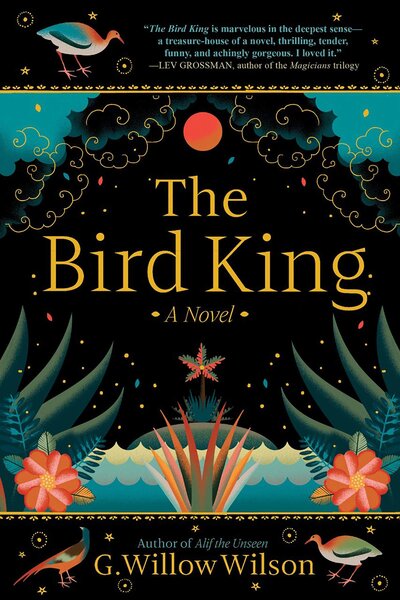 G. Willow Wilson’s beautiful novel, set during the last days of Muslim Granada,
follows a royal concubine who yearns for freedom and the queer mapmaker who’s
her best friend. “It is really devastating to a critic to find that the only
truly accurate way of describing an author’s prose is the word ‘luminous,’ but
here we are,” says judge Amal El-Mohtar. “This book is luminous. It is full of
light, in searing mirror-flashes and warm candleflame flickers and dappled
twists of heart-breaking insight into empire, war and religion.”
G. Willow Wilson’s beautiful novel, set during the last days of Muslim Granada,
follows a royal concubine who yearns for freedom and the queer mapmaker who’s
her best friend. “It is really devastating to a critic to find that the only
truly accurate way of describing an author’s prose is the word ‘luminous,’ but
here we are,” says judge Amal El-Mohtar. “This book is luminous. It is full of
light, in searing mirror-flashes and warm candleflame flickers and dappled
twists of heart-breaking insight into empire, war and religion.”
- [ ] American War
 This was judge Tochi Onyebuchi’s personal pick — a devastating portrait of a
post-climate-apocalypse, post-Second Civil War America that’s chosen to use its
most terrifying and oppressive policies against its own people. “It despairs me
how careless we are with the word ‘prescient’ these days, but when I finished
American
War,
I truly felt that I’d glimpsed our future,” Onyebuchi says. “Charred and
scarred and shot through with shards of hope.”
This was judge Tochi Onyebuchi’s personal pick — a devastating portrait of a
post-climate-apocalypse, post-Second Civil War America that’s chosen to use its
most terrifying and oppressive policies against its own people. “It despairs me
how careless we are with the word ‘prescient’ these days, but when I finished
American
War,
I truly felt that I’d glimpsed our future,” Onyebuchi says. “Charred and
scarred and shot through with shards of hope.”
- [ ] Riot Baby
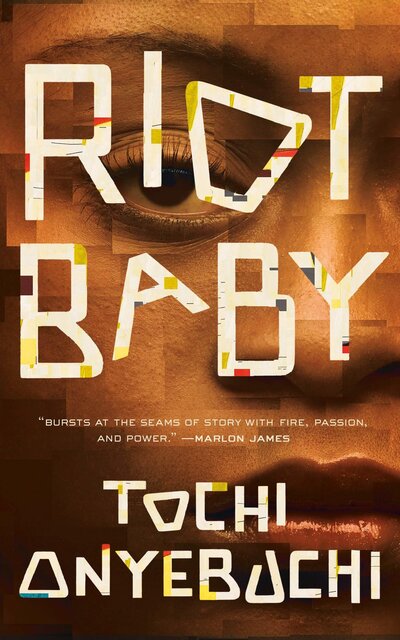 Poll judge Tochi Onyebuchi centers this story on the kind of person who’s more
often a statistic, rarely a fully rounded character: Kevin, who’s young, Black
and in
prison.
Born amid the upheaval around the Rodney King verdict, Kevin is hemmed in by
structural and individual racism at every turn; meanwhile, his sister Ella has
developed mysterious, frightening powers — but she still can’t do the one thing
she truly wants to do, which is to rescue her brother. This slim novella packs
a punch with all the weight of history behind it; fellow judge Amal El-Mohtar
says, “I’ve said it in reviews and I’ll say it again here: This book reads like
hot diamonds, as searing as it is precise.”
Poll judge Tochi Onyebuchi centers this story on the kind of person who’s more
often a statistic, rarely a fully rounded character: Kevin, who’s young, Black
and in
prison.
Born amid the upheaval around the Rodney King verdict, Kevin is hemmed in by
structural and individual racism at every turn; meanwhile, his sister Ella has
developed mysterious, frightening powers — but she still can’t do the one thing
she truly wants to do, which is to rescue her brother. This slim novella packs
a punch with all the weight of history behind it; fellow judge Amal El-Mohtar
says, “I’ve said it in reviews and I’ll say it again here: This book reads like
hot diamonds, as searing as it is precise.”
- [ ] On Fragile Waves
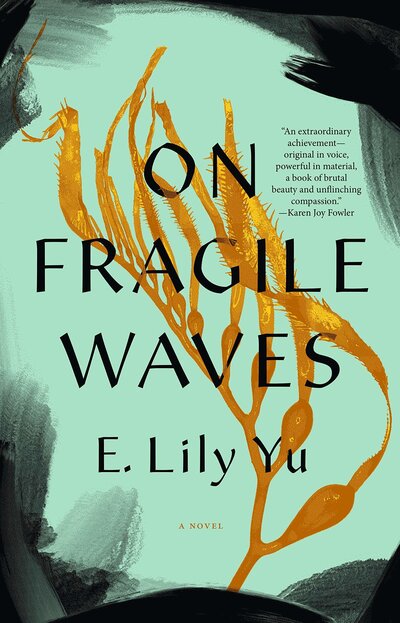 Every year, we ask our judges to add some of their own favorites to the list,
and this year, Amal El-Mohtar teared up talking about her passion for E. Lily
Yu’s haunted refugee story On Fragile Waves. “I need everyone to read this
book,” she says. “I wept throughout it and for a solid half-hour once I had
finished it, and I know it’s hard to recommend books that make you cry right
now, but I have no chill about this one: It is so important, it is so
beautiful, and I feel like maybe if everyone read it the world would be a
slightly less terrible place.”
Every year, we ask our judges to add some of their own favorites to the list,
and this year, Amal El-Mohtar teared up talking about her passion for E. Lily
Yu’s haunted refugee story On Fragile Waves. “I need everyone to read this
book,” she says. “I wept throughout it and for a solid half-hour once I had
finished it, and I know it’s hard to recommend books that make you cry right
now, but I have no chill about this one: It is so important, it is so
beautiful, and I feel like maybe if everyone read it the world would be a
slightly less terrible place.”
- [ ] The Goblin Emperor
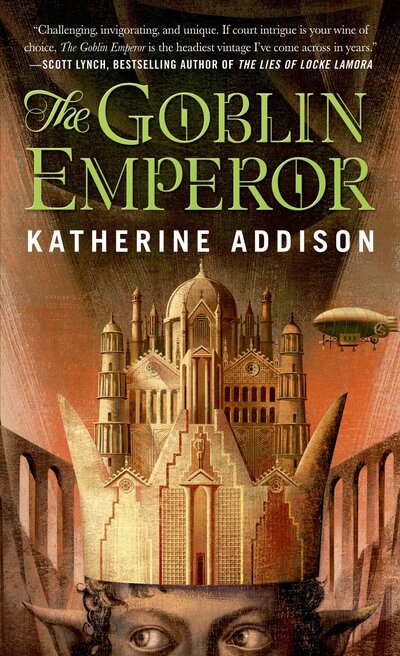 In a far corner of an elven empire, young half-goblin Maia learns that a
mysterious accident has left him heir to the throne. But he has been in exile
almost all his life — how can he possibly negotiate the intricate treacheries
of the imperial court? Fairly well, as it turns out. Maia is a wonderful
character, hesitant and shy at first, but deeply good and surprisingly adept at
the whole being-an-emperor thing. The only thing wrong with The Goblin
Emperor was that it was, for a long time, a stand-alone. But now there’s a
sequel, The Witness for the Dead — so if you love the world Katherine Addison
has created, you’ve got a way back to it. “I just love this book utterly,” says
judge Amal El-Mohtar. “So warm, so kind, so generous.”
In a far corner of an elven empire, young half-goblin Maia learns that a
mysterious accident has left him heir to the throne. But he has been in exile
almost all his life — how can he possibly negotiate the intricate treacheries
of the imperial court? Fairly well, as it turns out. Maia is a wonderful
character, hesitant and shy at first, but deeply good and surprisingly adept at
the whole being-an-emperor thing. The only thing wrong with The Goblin
Emperor was that it was, for a long time, a stand-alone. But now there’s a
sequel, The Witness for the Dead — so if you love the world Katherine Addison
has created, you’ve got a way back to it. “I just love this book utterly,” says
judge Amal El-Mohtar. “So warm, so kind, so generous.”
- [ ] Murderbot (series)
 Oh
Murderbot—
we know you just want to be left alone to watch your shows, but we can’t quit
you. Martha Wells’ series about a murderous security robot that’s hacked its
own governing module and become self-aware is expansive, action-packed, funny
and deeply
human.
Also, your humble poll editor deeply wishes that someone would write a fic in
which Murderbot meets Ancillary Justice’s Breq and they swap tips about how
to be human over tea (which Murderbot can’t really drink).
Oh
Murderbot—
we know you just want to be left alone to watch your shows, but we can’t quit
you. Martha Wells’ series about a murderous security robot that’s hacked its
own governing module and become self-aware is expansive, action-packed, funny
and deeply
human.
Also, your humble poll editor deeply wishes that someone would write a fic in
which Murderbot meets Ancillary Justice’s Breq and they swap tips about how
to be human over tea (which Murderbot can’t really drink).
- [ ] The Interdependency (series)
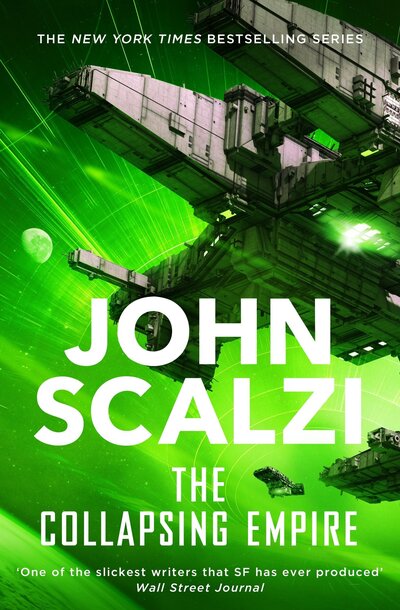 John Scalzi didn’t mean to be quite so prescient when he started this trilogy
about a galactic empire facing destruction as its interstellar routes collapse
— a problem the empire knew about but ignored for all the same reasons we punt
our problems today. “Some of that was completely unintentional,” he told Scott
Simon.
“But some of it was. I live in the world.” The Interdependency series is
funny, heartfelt and ultimately hopeful, and packed with fantastic characters.
To the reader who said they voted “because of Kiva Lagos,” we say, us too.
John Scalzi didn’t mean to be quite so prescient when he started this trilogy
about a galactic empire facing destruction as its interstellar routes collapse
— a problem the empire knew about but ignored for all the same reasons we punt
our problems today. “Some of that was completely unintentional,” he told Scott
Simon.
“But some of it was. I live in the world.” The Interdependency series is
funny, heartfelt and ultimately hopeful, and packed with fantastic characters.
To the reader who said they voted “because of Kiva Lagos,” we say, us too.
- [ ] The Martian
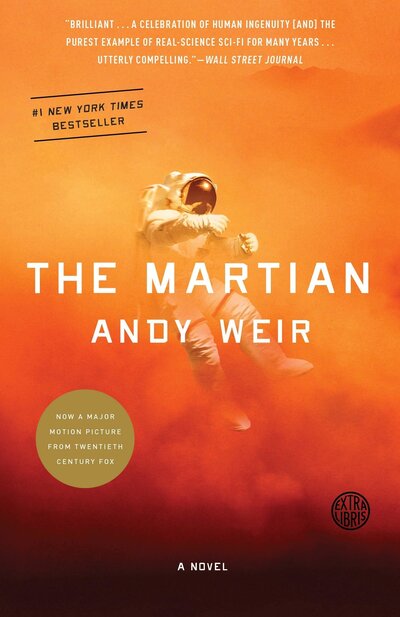 You don’t expect a hard sci-fi novel to start with the phrase “I’m pretty much
f****d,” but it definitely sets the tone for Andy Weir’s massive hit.
Astronaut Mark Watney, stranded alone on Mars after an accident, is a profane
and engaging narrator who’ll let you know just how f****d he is and then
just how he plans to science his way out of it. If you’ve only seen the movie,
there’s so much more to dig into in the
book
(including, well, that very first line).
You don’t expect a hard sci-fi novel to start with the phrase “I’m pretty much
f****d,” but it definitely sets the tone for Andy Weir’s massive hit.
Astronaut Mark Watney, stranded alone on Mars after an accident, is a profane
and engaging narrator who’ll let you know just how f****d he is and then
just how he plans to science his way out of it. If you’ve only seen the movie,
there’s so much more to dig into in the
book
(including, well, that very first line).
- [ ] Sorcerer to the Crown/The True Queen
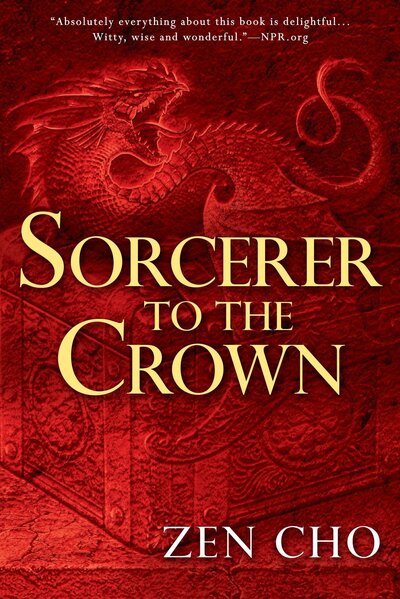 A Regency romp with squabbling magicians, romance and intrigue, with women and
people of color center stage? Yes, please! These two books form a wonderful
balance. Sorcerer to the
Crown
is more whimsical and occasionally riotously funny despite its serious
underlying themes. The True
Queen
builds out from there, looking at the characters and events of the first book
with a different, more serious perspective. But both volumes are charming,
thoughtful and thoroughly enjoyable.
A Regency romp with squabbling magicians, romance and intrigue, with women and
people of color center stage? Yes, please! These two books form a wonderful
balance. Sorcerer to the
Crown
is more whimsical and occasionally riotously funny despite its serious
underlying themes. The True
Queen
builds out from there, looking at the characters and events of the first book
with a different, more serious perspective. But both volumes are charming,
thoughtful and thoroughly enjoyable.
How We Built This
Wow, you’re some dedicated readers! Thanks for coming all the way down here to
find out more. As I said above, we decided to limit ourselves to 50 books this
year instead of our usual 100, which made winnowing down the list a particular
challenge. As you may know, this poll isn’t a straight-up popularity contest,
though, if it were, the Broken Earth books would have crushed all comers —
y’all have good taste! Instead, we take your votes (over 16,000 this year) and
pare them down to about 250 semifinalists, and then during a truly epic
conference call, our panel of expert judges goes through those titles, cuts
some, adds some and hammers out a final curated list.
What Didn’t Make It — And Why
As always, there were works readers loved and voted for that didn’t make our
final list of 50 — it’s not a favorites list if you can’t argue about it,
right? Sometimes, we left things out because we felt like the authors were well
known enough not to need our help (farewell, The Ocean at the End of the
Lane,
Neil Gaiman, we hope you’ll forgive us!), but mostly it happened because the
books either came out before our cutoff date or already appeared on the
original 2011 list. (Sorry, Brandon Sanderson! The first Mistborn book was
actually on this year’s list, until I looked more closely and realized it was a
repeat from 2011.)
Some books didn’t make it this year because we’re almost positive they’ll come
around next year — next year being the 10th anniversary of our original 2012 YA
poll, when (spoiler alert!) we’re planning a similar redo. So we say “not
farewell, but fare forward, voyagers” to the likes of
Raybearer,
Childrenof Blood and
Bone
and the
Grishaversebooks;
if they don’t show up on next year’s list I’ll, I don’t know, I’ll eat my
kefta.
And this year, because we had only 50 titles to play with, we did not apply the
famous Nora Roberts rule, which allows particularly beloved and prolific
authors onto the list twice. So as much as it pains me, there’s only one Seanan
McGuire entry here, and Max Gladstone appears alongside poll judge Amal
El-Mohtar for This Is How You Lose the Time War but not on his own for the
excellent Craft
Sequence.
Which — as we said above — you should ABSOLUTELY read.
One Final Note
Usually, readers will vote at least some works by members of our judging panel
onto the list, and usually, we let the judges themselves decide whether or not
to include them. But this year, I put my editorial foot down — all four judges
made it to the semifinals, and had we not included them, the final product
would have been the less for it. So you’ll find all four on the list. And we
hope you enjoy going through it as much as we enjoyed putting it together!